

Hong Kong Tickets
Ngong Ping 360

Ngong Ping Village: Cultural plaza at the heart of Ngong Ping 360

Included with Ngong Ping 360 tickets

Timings

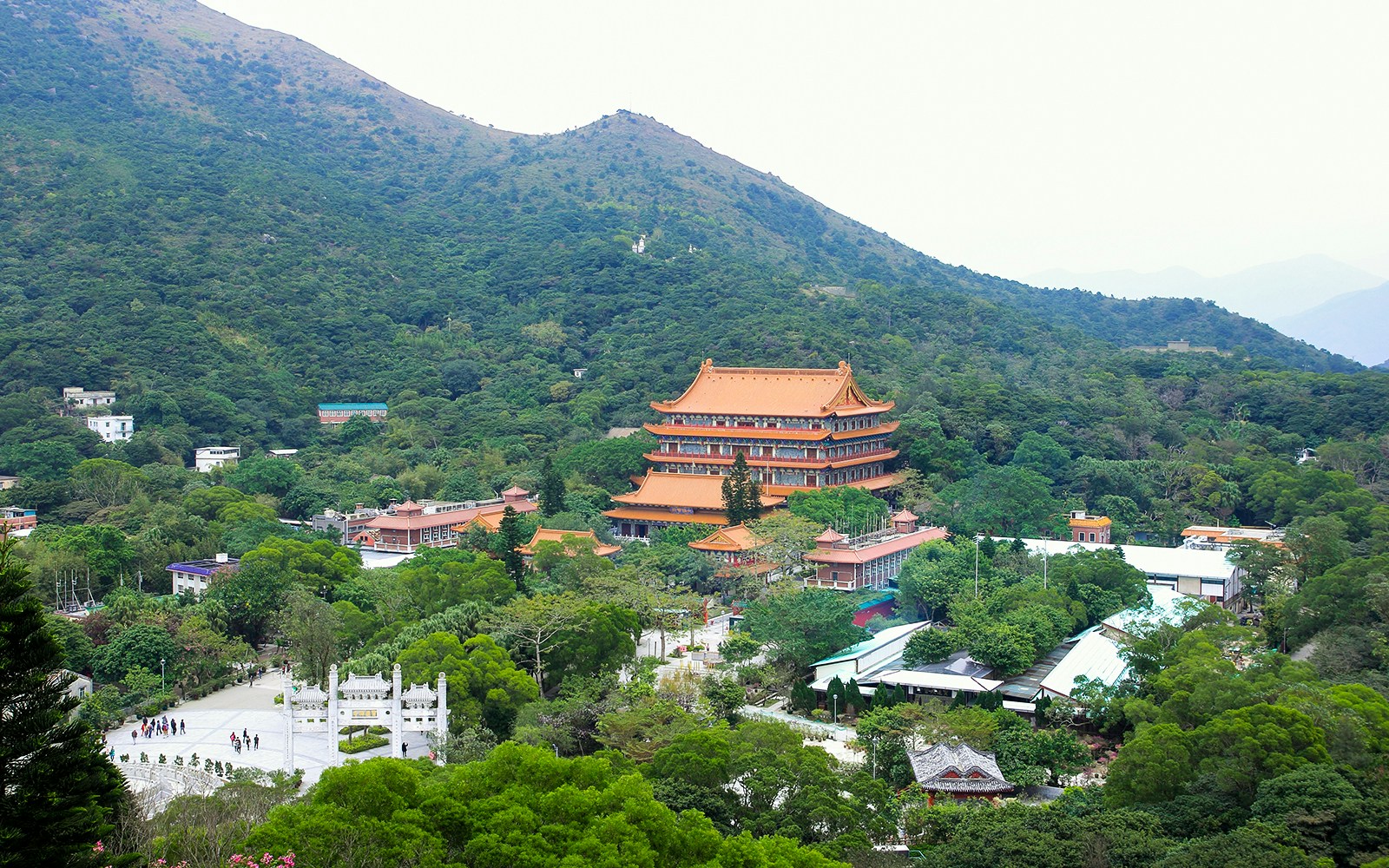
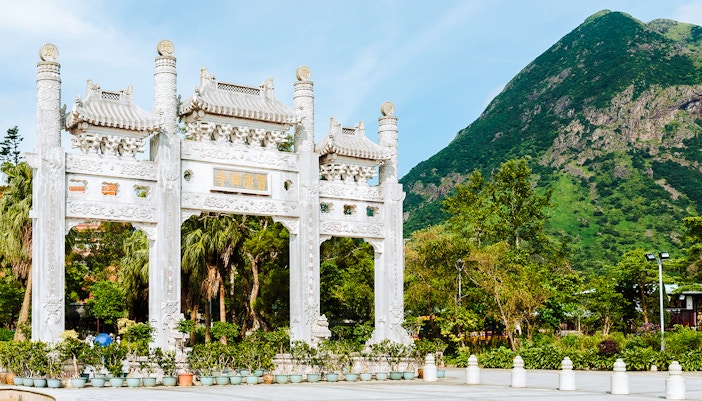
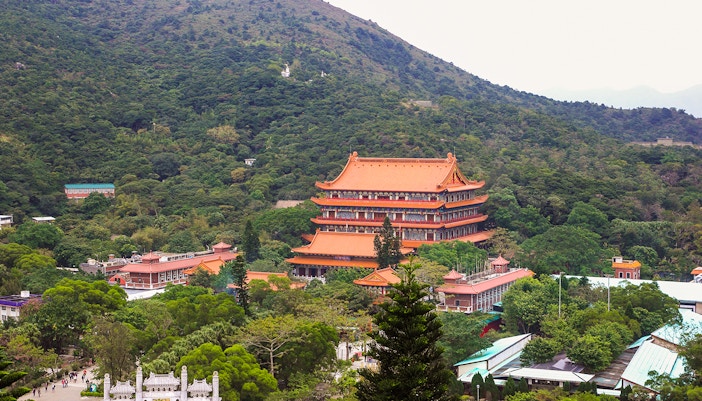
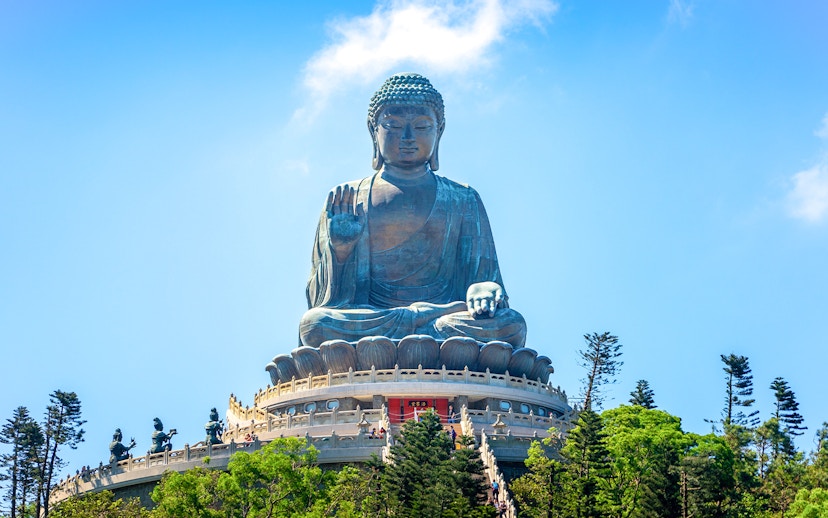
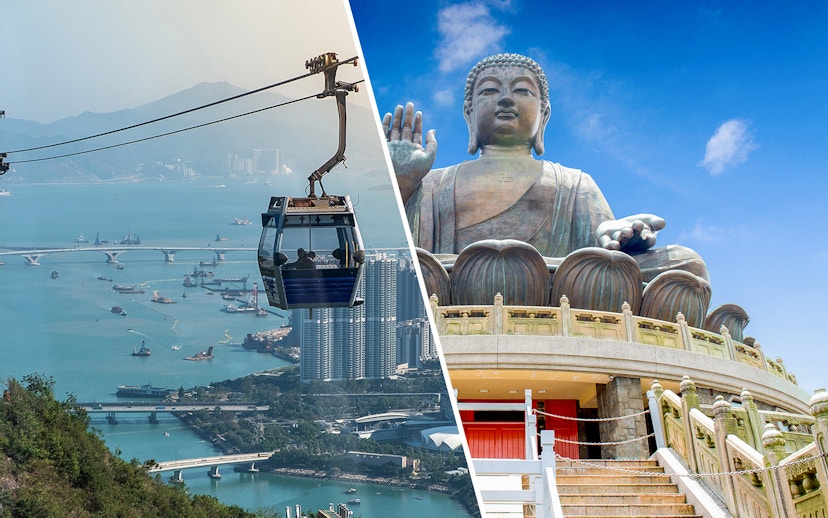
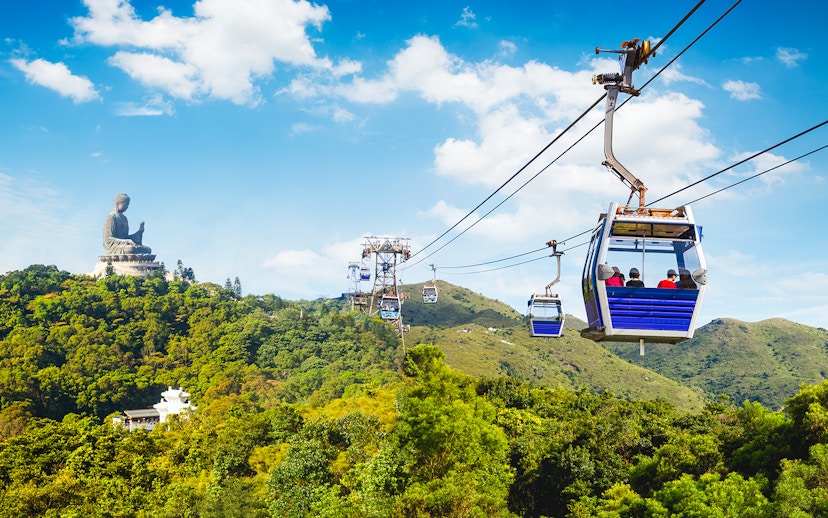
Tian Tan Buddha and Po Lin Monastery in Ngong Ping Village, Lantau Island.

Top things to do in Hong Kong

Ngong Ping Village is a culturally themed open-air plaza on the Ngong Ping plateau, built as the arrival hub of Ngong Ping 360. Every cable car visitor enters through this pedestrian village before continuing to the Big Buddha, Po Lin Monastery, and Wisdom Path.

Where is it located?

Ngong Ping Village sits directly outside the Ngong Ping 360 Ngong Ping Cable Car Terminal on Lantau Island’s Ngong Ping plateau, just a few minutes’ walk from Ngong Ping Piazza, Tian Tan Buddha, and Po Lin Monastery.

How to access?

Entry to Ngong Ping Village is included with all valid admission tickets to Ngong Ping 360. You don’t need to purchase a separate ticket. You can also enter freely by public bus or taxi to Ngong Ping.

Things to know before booking Ngong Ping Village tickets

Ngong Ping Village is a public pedestrian area, so there is no dedicated admission ticket required. All Ngong Ping 360 cable car tickets—including Standard, Crystal, Crystal+, Tai O Pass, and guided tours—bring you directly into the village as part of the experience.

Visitors arriving independently by public bus or taxi can also enter the village for free, without needing a cable car ticket. This makes it accessible to all travelers visiting Ngong Ping.

While the village itself is free, individual attractions inside—such as Motion 360, Walking with Buddha, VR 360, and themed exhibitions—may charge separate entry fees when operating. Shops, restaurants, and cafés also operate independently.

Ngong Ping Village follows the same general opening hours as Ngong Ping 360, typically from 10am to 6pm, though restaurants and shops may close earlier or stay open slightly later depending on season and visitor flow.

Ngong Ping Village in a nutshell

Gateway to Ngong Ping’s landmarks

Ngong Ping Village connects the cable car terminal with the Big Buddha, Po Lin Monastery, and Wisdom Path, making it the central starting point for exploring Lantau Island’s most famous cultural attractions.

Traditional Chinese village design

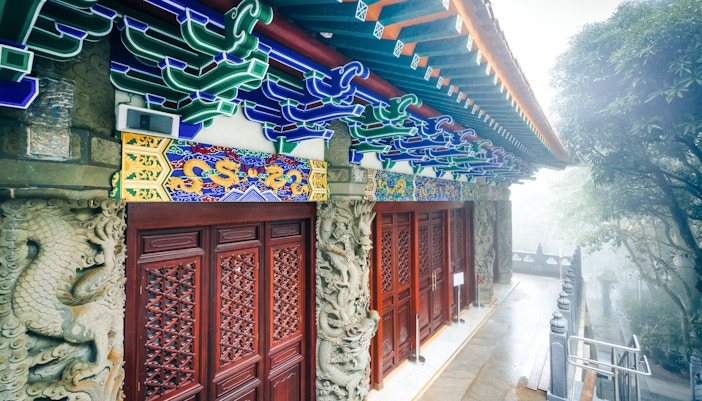
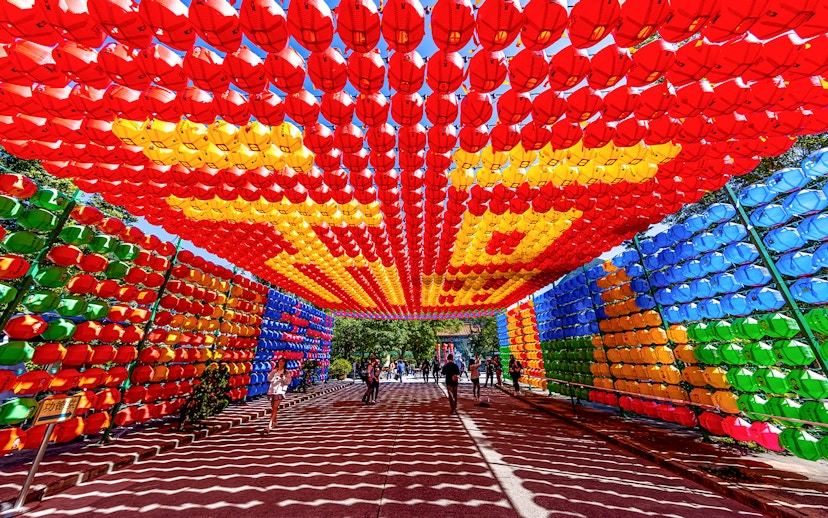
The village features tiled roofs, red lanterns, and stone-paved walkways inspired by traditional Chinese architecture, reflecting the spiritual character of the surrounding monastery and mountain landscape.

Dining and shopping hub

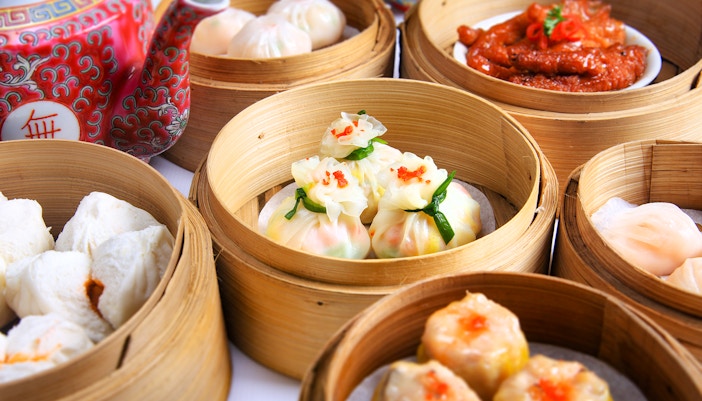
More than 20 restaurants, tea houses, and retail shops offer dim sum, vegetarian meals, local snacks, and souvenirs including Buddhist crafts, jewellery, and Ngong Ping 360 merchandise.

Photo-worthy cultural spaces

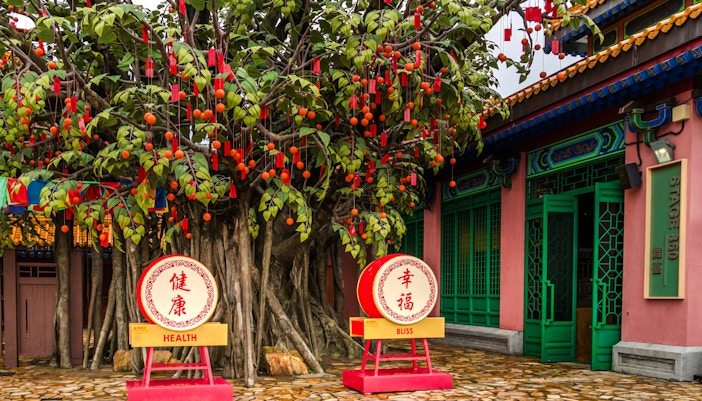
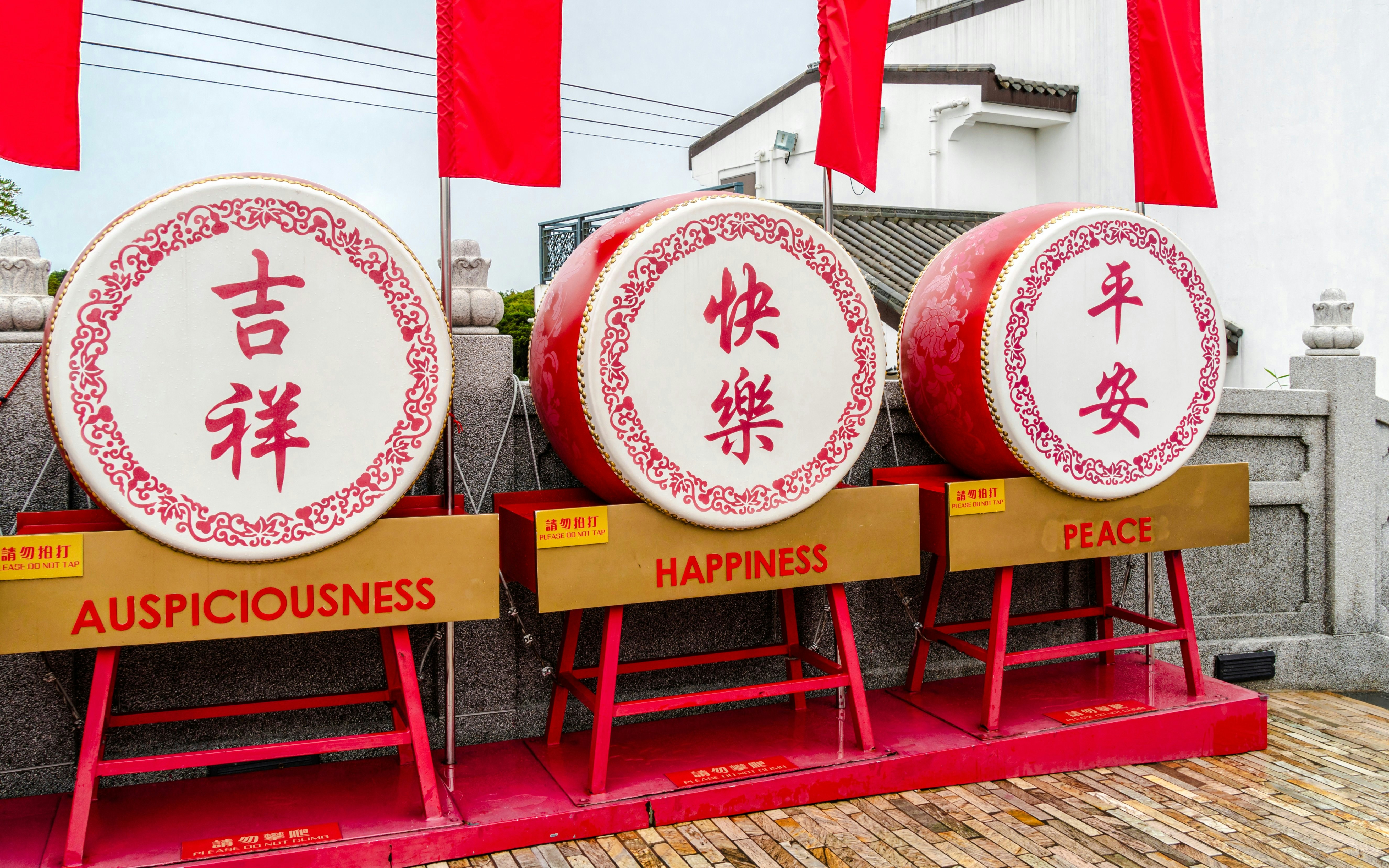
Popular photo spots include the Bodhi Wishing Tree, blessing drums engraved with auspicious symbols, lantern-lined alleys, and open plazas with mountain views.

Home to interactive attractions

Indoor experiences such as Motion 360 and Walking with Buddha offer short multimedia shows that explore Buddhist philosophy and Lantau’s cultural heritage.

Comfortable rest and service area

With seating, restaurants, accessible facilities, and visitor services, the village serves as the main rest stop before or after visiting the Big Buddha and nearby trails.

What to see inside Ngong Ping Village

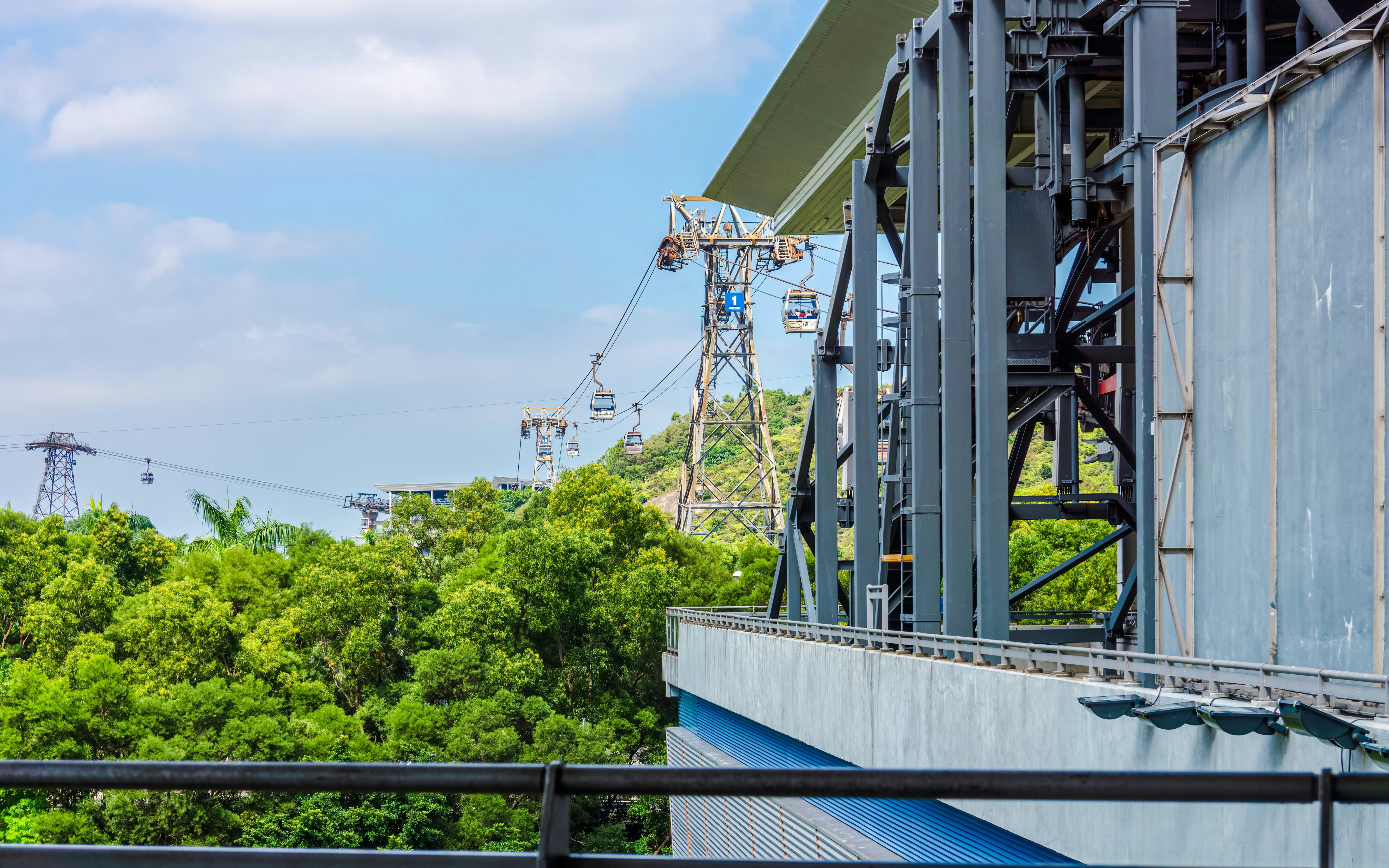
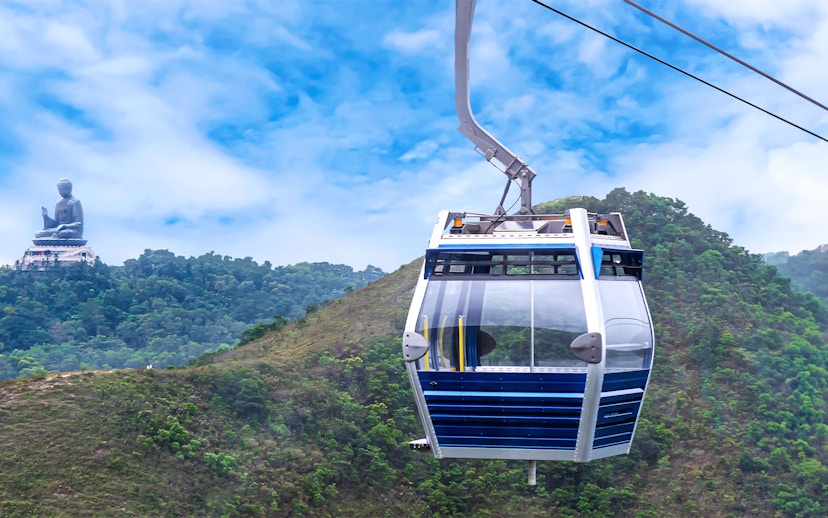
Side view of Ngong Ping bi-cable gondola lift base station with lush greenery.
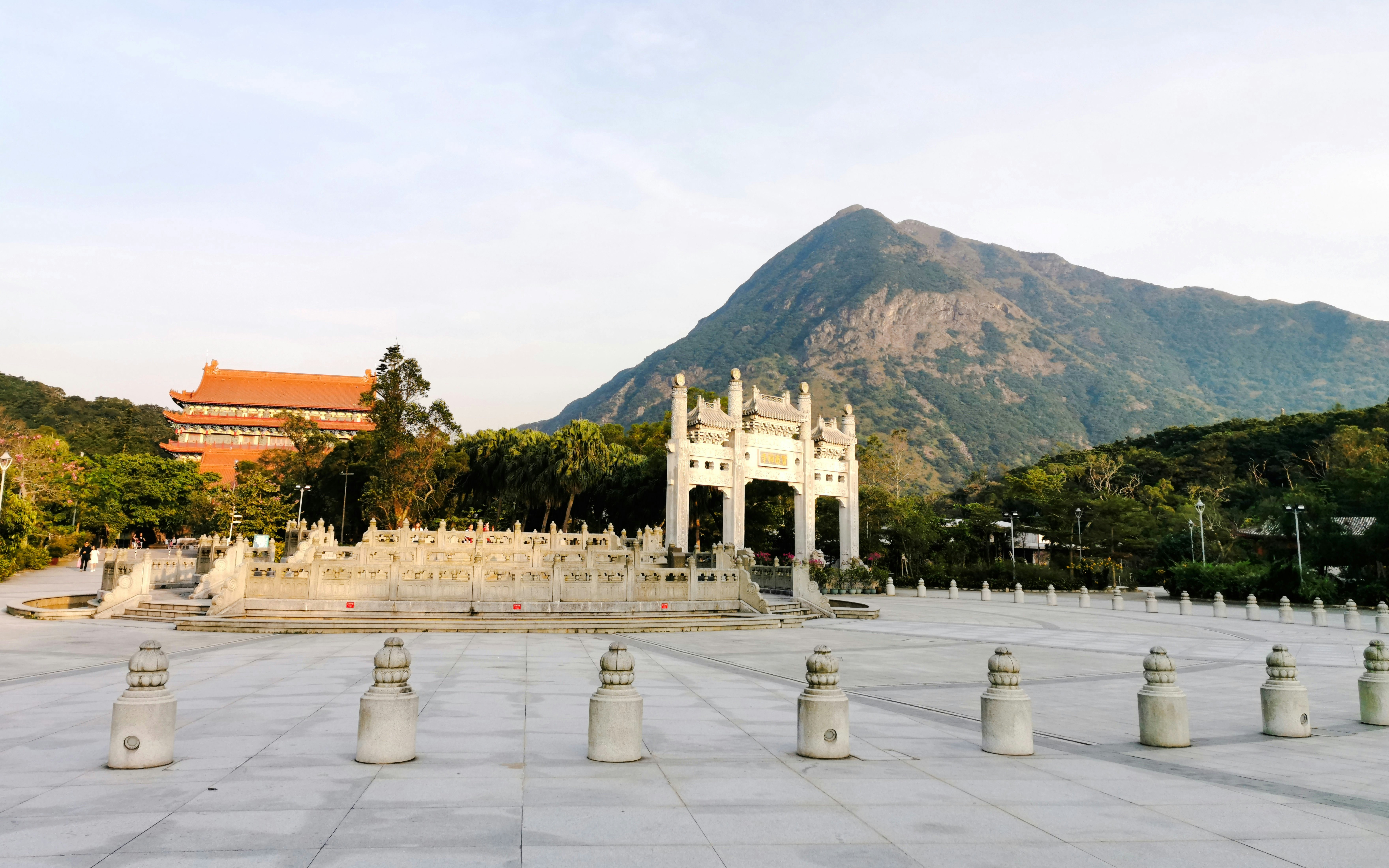
Ngong Ping Piazza with mountain backdrop near Ngong Ping 360 Cable Car, Hong Kong.
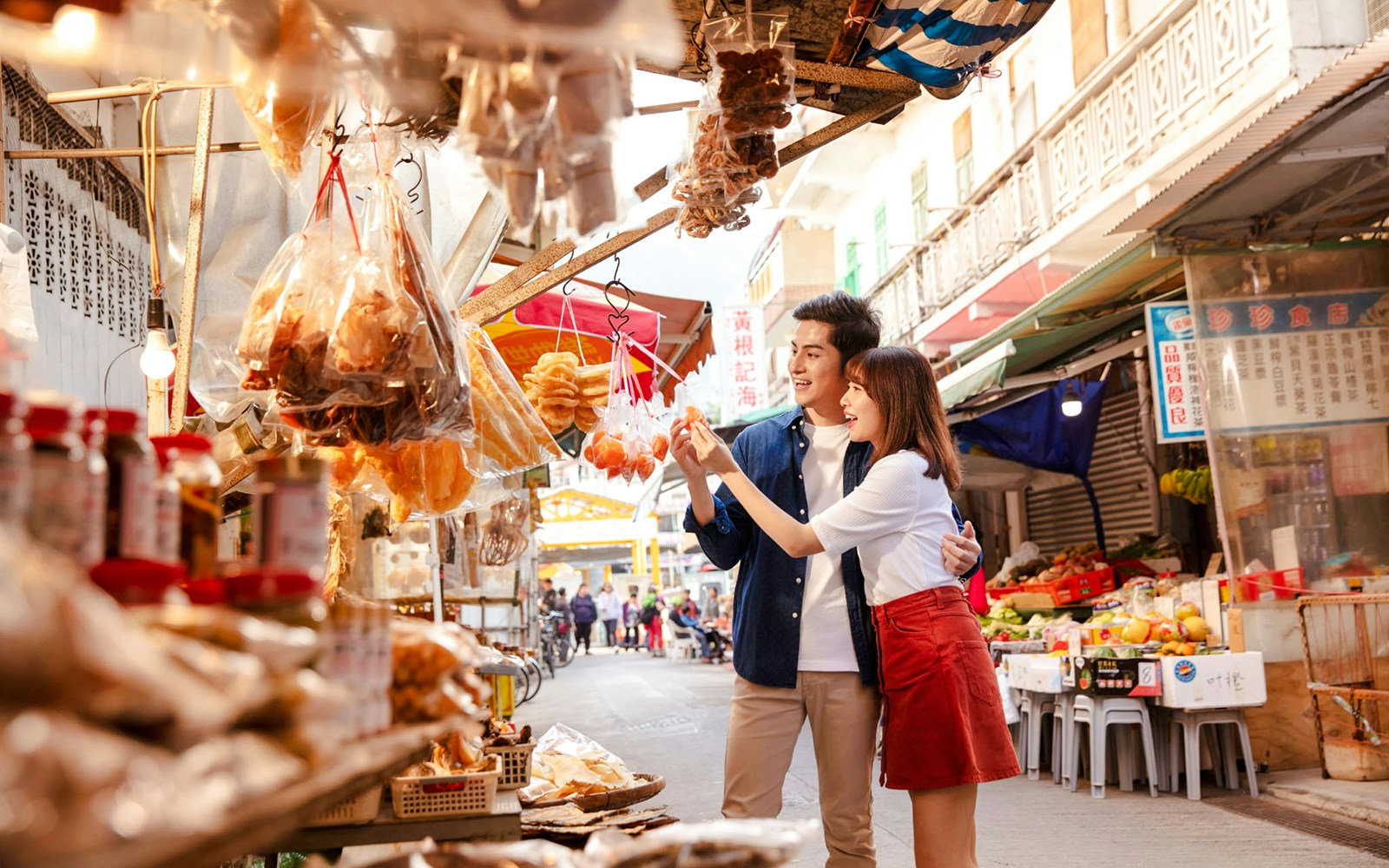
Couple exploring street market in Tai O fishing village, Hong Kong.
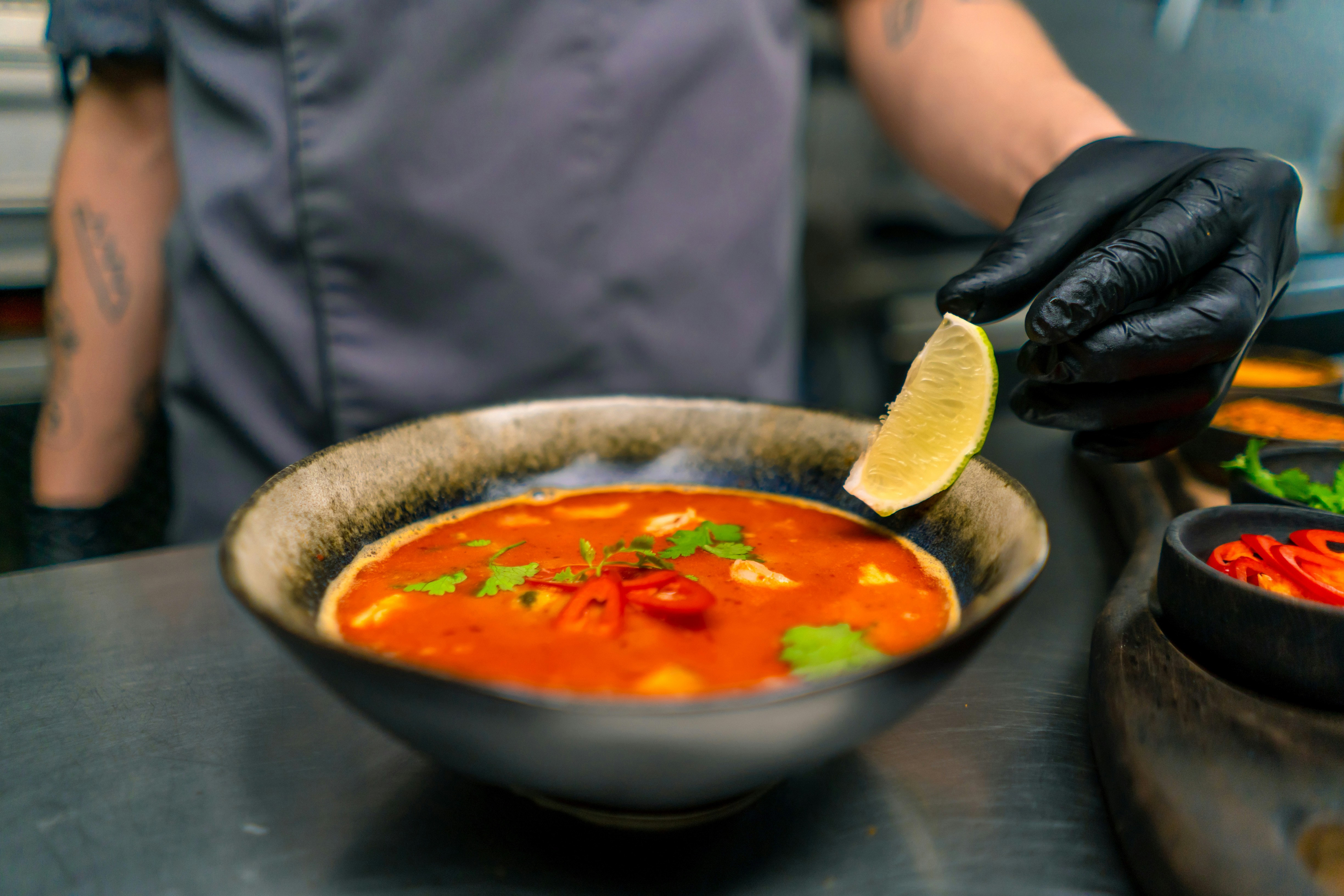
Seafood soup with lime garnish in an Asian restaurant kitchen.
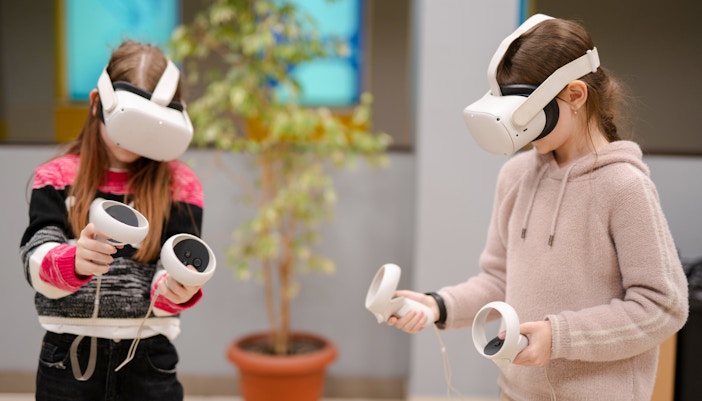
Young woman enjoying VR experience outdoors on steps.
Blessing drums with symbols for auspiciousness, happiness, and peace at Ngong Ping Village, Lantau, Hong Kong.
1/6

Arrival plaza and cable car exit

As you exit the Ngong Ping Cable Car Terminal, you enter directly into a lively pedestrian plaza filled with shops, restaurants, and visitor services. Clear signage points the way toward Tian Tan Buddha, Po Lin Monastery, and Wisdom Path.

Village Square and Bodhi Path

Village Square forms the social centre of Ngong Ping Village, while Bodhi Path features cultural displays and the Bodhi Wishing Tree, where visitors hang plaques for good fortune. Lanterns and traditional architecture enhance the spiritual atmosphere.

Country Market and shopping streets

The Country Market area hosts speciality shops selling tea, jewellery, Chinese crafts, souvenirs, and Ngong Ping 360 merchandise. It’s the best place to browse gifts and experience the village’s commercial side.

Dining and tea houses

Restaurants and tea houses offer a mix of traditional Chinese dishes, vegetarian cuisine, snacks, and international options. Many visitors stop here for refreshments before continuing to the Big Buddha or monastery.

Cultural attractions and experience zones

Interactive attractions such as Motion 360 and Walking with Buddha provide short immersive shows combining storytelling, visuals, and cultural themes related to Buddhism and Lantau Island.

Photo spots and village views

Photo opportunities are everywhere, from colourful lantern streets to mountain viewpoints overlooking Lantau Island. The blessing drums and wishing tree are especially popular for memorable photos.

Architectural highlights of Ngong Ping Village

Traditional Chinese architectural style

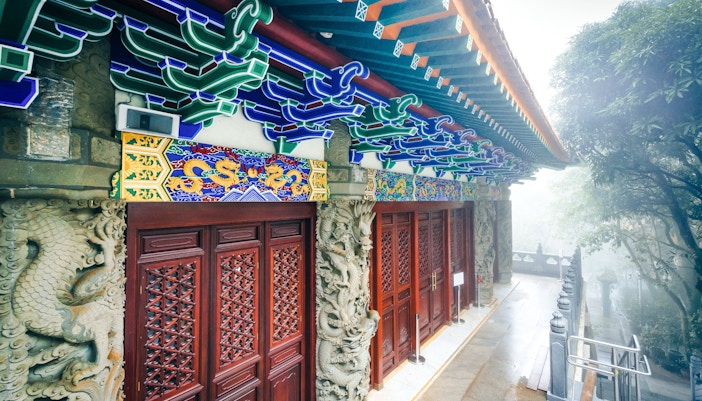
The village incorporates tiled roofs, wooden beams, and decorative gateways inspired by classical Chinese design, complementing nearby Po Lin Monastery’s spiritual environment.

Purpose-built cultural plaza (2005)

Opened alongside Ngong Ping 360 in 2005, the village was designed to enhance tourism while preserving Ngong Ping’s peaceful atmosphere and cultural identity.

Integrated visitor layout

The village’s structured layout—including Village Square, Bodhi Path, and Country Market—naturally guides visitors from the cable car toward Ngong Ping’s main landmarks.

Historical and cultural significance of Ngong Ping Village

Ngong Ping Village was developed as part of the Ngong Ping 360 project to support tourism while respecting the spiritual importance of nearby Po Lin Monastery and Tian Tan Buddha. Today, it serves as the cultural and commercial centre of Ngong Ping.

Know before you go

  • Ngong Ping Village typically operates from 10am to 6pm, matching Ngong Ping 360 opening hours. Shop and restaurant hours may vary depending on season and visitor flow.
  • Ngong Ping Village is located directly outside Ngong Ping 360’s upper cable car terminal on Lantau Island, Hong Kong.
  • Visit in the morning for fewer crowds and a more peaceful atmosphere.
  • Plan 1–2 hours to explore shops, restaurants, and photo spots.
  • Use village facilities before climbing to the Big Buddha.
  • Shops and indoor attractions provide shelter during bad weather.

Frequently asked questions about Ngong Ping Village

Yes. The village is free to enter. You only pay for cable car transport, food, shopping, or optional attractions.

More reads

What to do in Ngong Ping 360

Maps

Getting there